

Brand identity systems vs. logos: the shift every founder gets wrong
Founders keep buying logos when they need systems. Here's what the difference actually costs you in the year after launch.
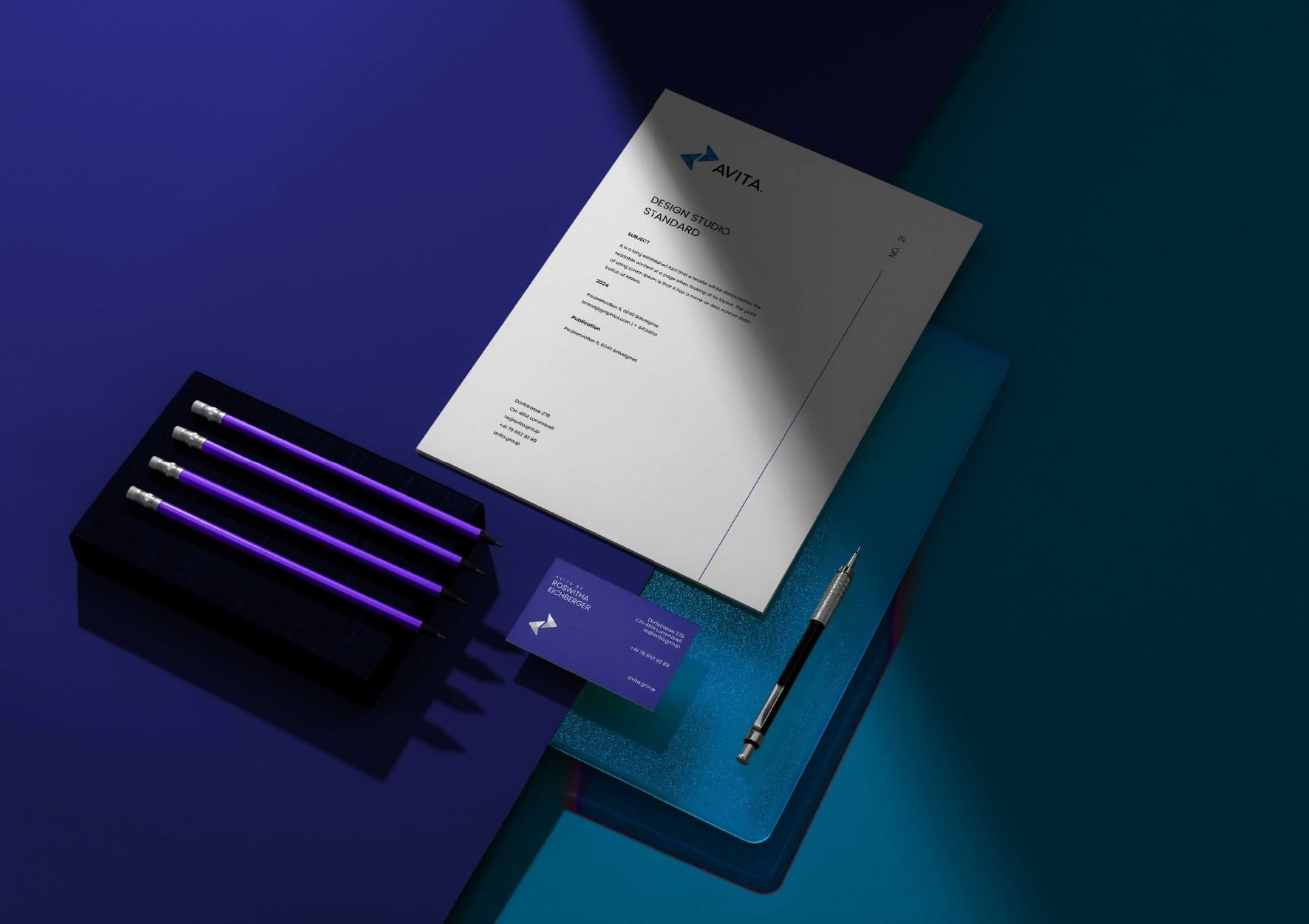
Founders ask for logos. What they need is a system. The logo is the most visible piece, which is why it gets the brief and the budget, but it’s the least load-bearing part of the identity in the year after launch.
A logo is an artifact. A system is infrastructure.
A logo is one asset. It sits on the site header, the pitch deck, the product, and the invoice. A system is the set of rules that produce every other asset — type scale, color tokens, motion principles, photography direction, voice, component library, and the constraints that keep them coherent when five different people are making things at once.
If you buy a logo without a system, you’ve bought the most visible 5% of brand and none of the operational 95%. A year in, your product team, marketing team, and sales team are each producing visually different output because no system exists to enforce coherence. That’s not a logo problem. That’s an infrastructure problem masquerading as a design taste problem.
Why founders default to asking for a logo
Logos are concrete. You can approve or reject one. Systems are abstract — they show their value over time, across touchpoints, in the things that don’t get made badly because the system wouldn’t allow it. That’s hard to scope in a kickoff meeting.
There’s also a legacy pricing model at work. Agencies used to sell “the logo” as the headline deliverable with guidelines attached. The guidelines were usually a PDF that nobody opened. Founders learned to think of brand work as logo work plus paperwork. Both halves of that model are broken now. The logo is one component, and the guidelines need to be a working system, not a document.
What a system actually contains
A working identity system in 2026 includes design tokens in code (color, type, spacing, radius, motion) consumed directly by the site and by any ad or email tool that supports tokens. It includes a component library, not just a style guide — actual Astro or React components with props and states, versioned and deployable. It includes photography direction with reference shoots and prompt libraries for generated imagery. It includes a voice guide with real examples, not adjectives.
It also includes governance. Who decides when the system changes, how updates propagate, how the system survives a new hire or a new channel. Without governance the system degrades into a folder of PNGs within six months.
The cost of treating brand as a one-time purchase
When a founder buys a logo and calls it a brand, the consequences arrive on a predictable schedule. Month three, marketing needs a new landing page and makes visual decisions that drift from the launch site. Month six, sales builds a deck that uses different fonts. Month nine, a new product area launches with a subtly different color palette because the “real” palette was never in code. Month twelve, someone proposes a rebrand.
A system costs more upfront. Not 10x more — maybe 30 to 50% more than a logo-centric engagement. In return, you don’t rebrand at month twelve. You evolve the system, the evolution propagates through tokens and components, and the brand compounds instead of restarting.
What to ask for instead
Don’t ask for a logo. Ask for a brand system with a logo inside it. Specifically: positioning written as a one-page document, an identity kit with marks, type, color, and motion principles, a tokenized design system implemented in code, a component library used by the site at launch, a photography and imagery direction including prompts for generative work, a voice guide with five writing samples, and a governance plan that names who owns the system and how updates ship.
If the agency responds with “we don’t do that, we do brand,” find a different agency. The brand discipline that ignores infrastructure is the one your competitors are beating.
The shift is already happening
The best-performing brands we’ve worked with over the last eighteen months all treat identity as a living system maintained by the same team that ships the product. The ones still chasing the one-shot rebrand are the ones whose competitors are eating them. The founders who understand this don’t ask for a logo. They ask how the system holds up at scale. That question, asked on day one, changes the project more than any other decision a founder makes about brand.
More from the blog

Beauty branding: how to build a cosmetics brand that sells on shelf and on social
Beauty branding is the system of identity, packaging, and story that makes a cosmetics brand recognizable and worth paying for. Here's how to build one.
Brand sprint vs traditional agency: which rebrand is right for you?
A 7-day brand sprint delivers the same core artefacts as an 8-12 week agency rebrand, at a fixed price. It removes waiting, not work. Here's the honest comparison.

Branding for AI and tech startups: how to look as credible as your technology
Brand an AI or tech startup by making the technology legible, the category clear, and the proof obvious. Here's the playbook we use on every build.