
The seven-day brand sprint: how we do in a week what agencies do in a quarter
A week is enough to rebuild brand, site, and launch assets if the process is designed for speed. Here's how the sprint actually runs, day by day.
Quarterly brand projects die from their own weight. Three months of kickoffs, moodboards, stakeholder rounds, staging links, and by the time you ship, the positioning has drifted. A seven-day sprint forces decisions while they still matter.
Why a week beats a quarter
Short timelines are a forcing function, not a compromise. When the schedule is seven days, nobody proposes a fourth round of logo options. Nobody drafts a 60-page brand bible that gets skimmed once. The team ships the 80% that actually runs production, and the remaining 20% is handled post-launch as the brand earns signal from real use.
In our last dozen sprints, clients went from signed SOW to live site faster than most of their competitors got through a discovery phase. Speed itself compounds: the brand is in-market earlier, feedback arrives earlier, iteration cycles run on real data instead of internal debate.
Day 1 — Strategy and positioning
Day one is one working session and a writing deliverable. We run a 90-minute founder interview, pull competitor signal (what they sound like, where they rank, how they price), and write the positioning statement, audience definition, and brand story by end of day. The client gets a single document, not a deck. They approve or redline it that night.
Nothing else starts until that document is signed. If positioning is fuzzy, the rest of the week produces a polished version of fuzzy.
Day 2 — Visual identity
Day two produces the logo system, type pairing, color system, and the first round of design language. We don’t do three concept routes. We pick a direction based on day one and execute it. If the client hates it, we pivot once and re-present day three morning. That happens in about one in five sprints and never delays the final date.
By end of day two the brand has a working identity kit: primary and secondary marks, type scale, color tokens, and motion principles. Every downstream asset uses those tokens directly, so revisions propagate rather than requiring manual re-export.
Days 3 to 5 — Site build
The site is built in Astro with Tailwind and GSAP. Static output, zero JS by default, image pipeline handled by Sharp at build. Day three is structure and content. Day four is design fidelity and motion. Day five is hero imagery (generated via Gemini, treated as source material, edited for consistency) plus SEO and AI visibility pass — sitemaps, structured data, llms.txt, Open Graph, Bing and GSC submission.
The site is not a template. Layout, type, and motion are custom per client. What’s shared across every sprint is the infrastructure: the build config, the accessibility baseline, the performance budget, the deploy pipeline. That’s the part we’ve done a hundred times and refuse to reinvent.
Day 6 — Launch assets
Day six produces the launch kit: a prototype landing page if one is needed for the campaign, social templates, email header, sales one-pager, and any investor or PR collateral the client flagged during intake. The identity kit from day two drives all of it, which is why a day is enough.
This is also the review day. The client sees the full site in a staging environment, walks every page, and submits a single consolidated change list. We cap the list at what’s achievable before launch and move anything else to post-launch iteration.
Day 7 — Ship
Ship day is deployment, DNS, analytics, and a 30-minute handover call. We deploy to Coolify on Hetzner, verify Lighthouse, check structured data, push sitemaps, confirm Umami is tracking, and turn over a repo the client (or us, on retainer) can keep building on.
The brand is live by end of day seven. Revenue-relevant pages are indexed within a week. Iteration starts the following Monday with real traffic feedback instead of opinion.
What the sprint is not
The sprint is not a discount on quality. It’s a different shape of project — front-loaded decisions, parallelized execution, zero waiting states. The cost is that the client has to be available for the week. Founders who treat the sprint like a traditional engagement and disappear for three days are the only ones who miss the ship date. Everyone else lands it.
More from the blog
Beauty branding: how to build a cosmetics brand that sells on shelf and on social
Beauty branding is the system of identity, packaging, and story that makes a cosmetics brand recognizable and worth paying for. Here's how to build one.
Brand sprint vs traditional agency: which rebrand is right for you?
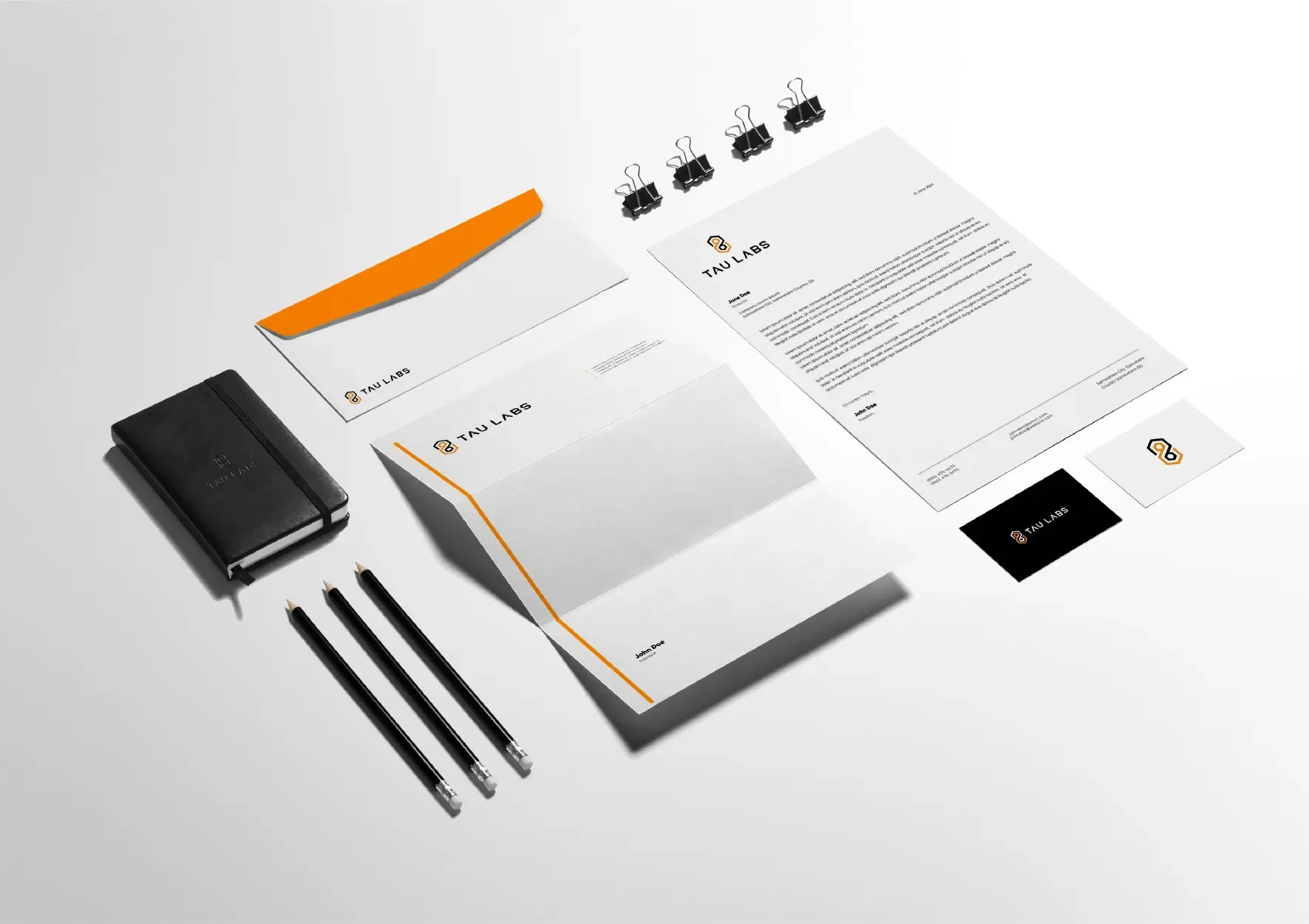
A 7-day brand sprint delivers the same core artefacts as an 8-12 week agency rebrand, at a fixed price. It removes waiting, not work. Here's the honest comparison.
Branding for AI and tech startups: how to look as credible as your technology
Brand an AI or tech startup by making the technology legible, the category clear, and the proof obvious. Here's the playbook we use on every build.