

Brand sprint vs traditional agency: which rebrand is right for you?
A 7-day brand sprint delivers the same core artefacts as an 8-12 week agency rebrand, at a fixed price. It removes waiting, not work. Here's the honest comparison.
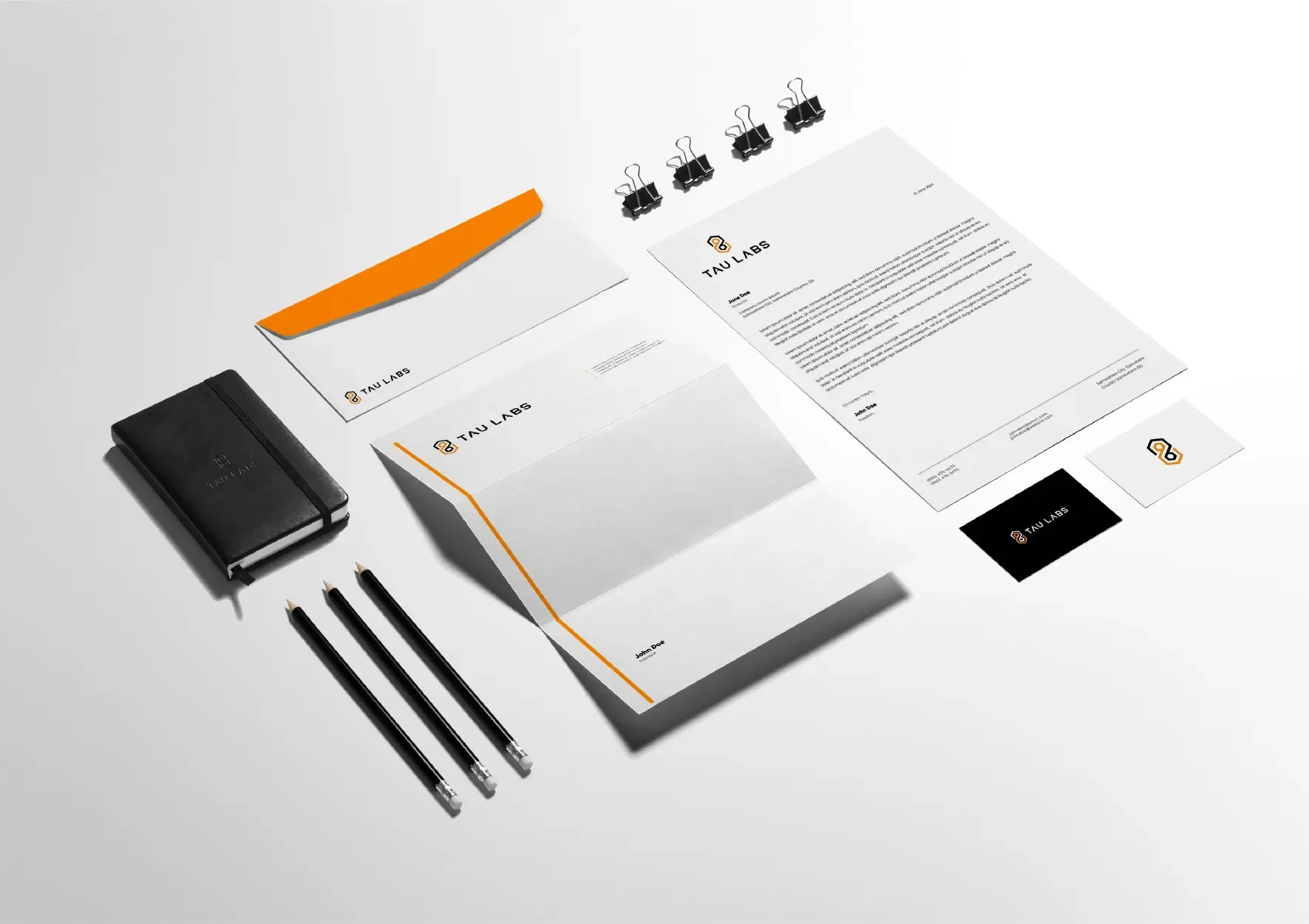
A 7-day brand sprint delivers the same core artefacts as a traditional 8-12 week agency rebrand: positioning, identity system, brand guidelines, and a launch-ready site, at a fixed price. It gets there faster because it removes the waiting, not the work.
That distinction is the whole argument. Most of a quarter-long rebrand is not effort. It’s scheduling. It’s the gap between the moodboard presentation and the next stakeholder availability, the week the design lead is on another account, the round-three revision that exists because rounds one and two were spread far enough apart for the brief to drift. A sprint compresses the calendar by killing the dead time, then runs the actual creative work in parallel instead of in sequence.
Below is the comparison, the honest version, including the cases where a traditional agency is the better call.
Brand sprint vs agency: the comparison at a glance
The two models produce overlapping deliverables on very different timelines and pricing structures. The sprint trades flexibility of schedule for speed and cost certainty.
| Traditional agency rebrand | Northera 7-day sprint | |
|---|---|---|
| Timeline | 8-12 weeks (one quarter is industry standard) | 7 days, fixed |
| Pricing model | Hourly or staged retainer, scope creep common | Fixed price, agreed before kickoff |
| Team seniority | Mixed; juniors often execute, seniors review | Senior operators do the work directly |
| Scope control | Defined by SOW, change orders billed | Fixed scope, post-launch iteration separate |
| Strategy | Yes, multi-week discovery | Yes, day 1 working session |
| Visual identity | Yes, multiple concept routes | Yes, one direction, one pivot if needed |
| Brand guidelines | Yes, often 40-60 page bible | Yes, working kit (tokens, marks, type, motion) |
| Launch assets / site | Sometimes separate engagement | Included, live by day 7 |
| Revisions | Multiple rounds, scheduled apart | One consolidated round, day 6 |
| IP ownership | Yes, on final payment | Yes, repo and assets handed over |
| Account-management overhead | Account manager layer, status calls | Direct line to the people building it |
How long does a traditional rebrand take?
A traditional agency rebrand takes roughly 8 to 12 weeks, and most of that window is coordination rather than creative output. A quarter is the industry standard.
The timeline breaks down into discovery (two to three weeks), strategy and positioning (two weeks), identity concepts and revisions (three to four weeks), then guidelines and rollout (two to three weeks). Each handoff waits on a meeting. Each meeting waits on a calendar. The creative work inside that span might total two or three focused weeks. The rest is the project breathing between stakeholders.
None of that is the agency being slow on purpose. It’s the natural shape of a sequential process spread across busy people. The cost is drift: by the time the identity ships, the market position you started from has moved, and the brand answers a question the founder stopped asking in week four.
Why is the sprint cheaper without being lower quality?
The sprint costs less because it removes the expensive parts that aren’t creative work: idle calendar time, account-management layers, and the revision rounds that exist only because the schedule was stretched. The design itself is not discounted.
Three structural reasons:
Parallel execution. In a sprint, strategy locks on day one and every downstream asset is built from the same tokens at the same time. Identity, site, and launch kit share one source of truth, so a change in the color system propagates instead of triggering a manual re-export across three teams.
No account-management tax. You talk to the people doing the work. There is no layer translating your feedback into a ticket, then translating the result back to you. That layer is real cost in a retainer model and adds zero to the final artefact.
Fixed scope, decided up front. The price is agreed before kickoff and the scope is the scope. There are no change orders, because the post-launch iteration is a separate, explicit conversation rather than a billing surprise mid-project.
The output is built by senior operators who have run this process across 1,000+ brands since 2018 and 3,000+ projects. That volume is why the infrastructure (build config, accessibility baseline, performance budget, deploy pipeline) is already solved and never reinvented per client. The custom work goes into your brand. The plumbing is done.
Do you get fewer deliverables in a sprint?
No. The core artefacts are the same: positioning and strategy, a full identity system, brand guidelines, and a launch-ready site. What’s smaller is the documentation overhead, not the brand.
The difference shows up in format. An agency often produces a 60-page brand bible that gets skimmed once and lives in a shared drive. A sprint produces a working kit: primary and secondary marks, a type scale, color tokens, motion principles, and the live site that already demonstrates all of it in use. You ship the 80% that runs production immediately, and the remaining detail gets added post-launch as the brand earns signal from real traffic instead of internal debate.
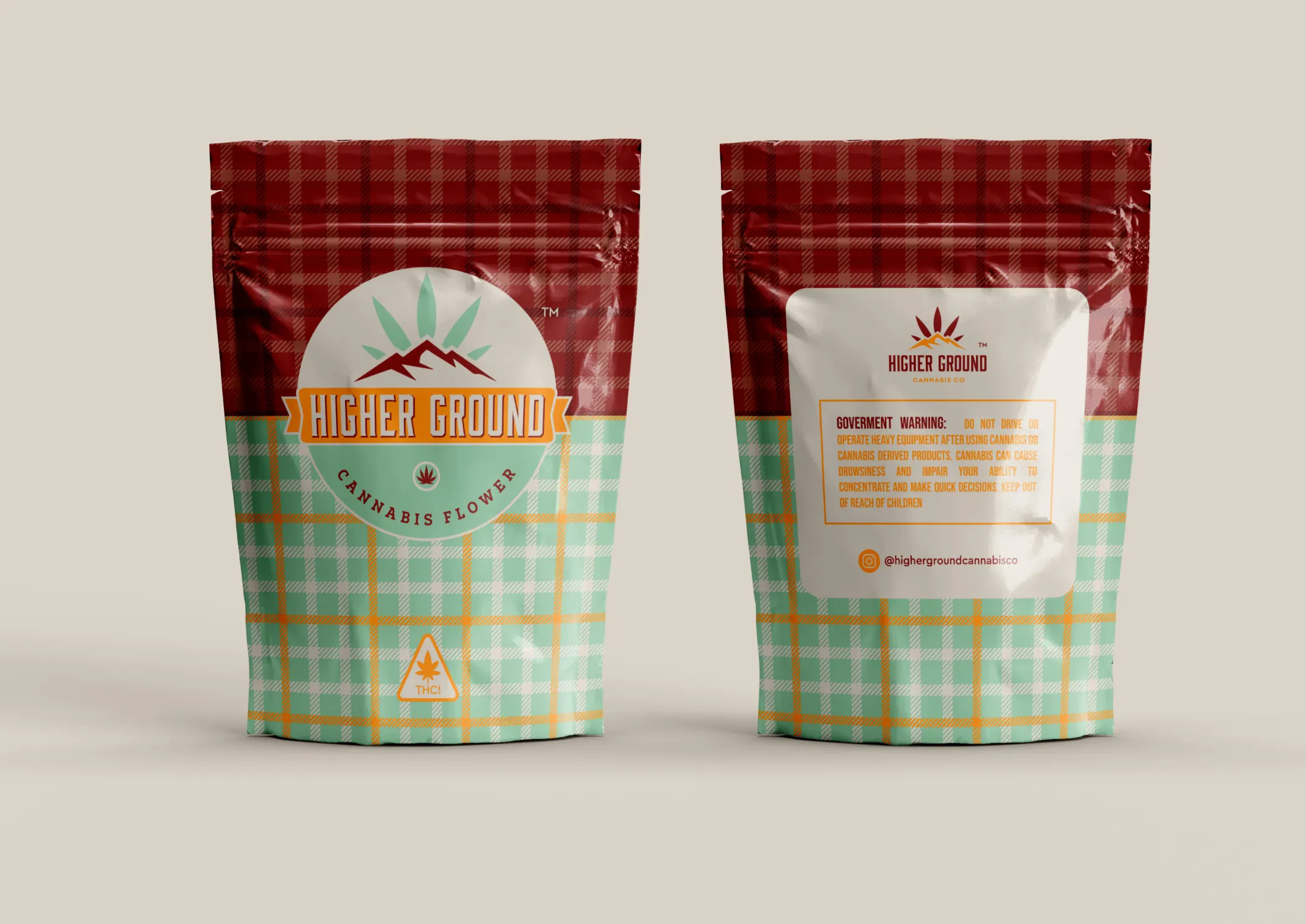
The same artefacts land regardless of vertical, a regulated healthcare practice and a consumer jewelry label both leave the week with a full, production-ready identity:


For founders who genuinely need an exhaustive governance document on day one, that’s a fair gap to name. For most, the working kit plus a live site is more useful than the bible, because it’s already proving itself in market.
When is a traditional agency the right call?
A traditional agency is the better fit when the rebrand requires broad internal alignment, heavy regulatory review, or a multi-market rollout that can’t be decided by one or two people in a week. The sprint’s speed depends on fast decisions, and some organizations structurally can’t make them.
Be honest with yourself about which you are. A sprint works when there’s a clear decision-maker, usually a founder, who can be available for the week and sign off without a committee. It does not work when:
Your brand decisions need sign-off from a board, legal, and three regional teams, each on their own timeline.
You operate in a space where every claim and visual needs compliance review before it ships, and that review genuinely takes weeks.
The work is a true global identity rollout across dozens of touchpoints, where the bottleneck is coordination across many stakeholders rather than the creative itself.
In those cases the agency timeline isn’t waste. It’s the alignment doing its job. Forcing a sprint there would just relocate the delay to after launch. The sprint is built for founders and lean teams who can decide fast and want to be in market before their competitor’s discovery phase ends.
Does a faster rebrand convert as well?
A sprint-built brand is designed to convert from the live site outward, and we hold a 2.4x average conversion uplift across the work we’ve shipped. Speed to market is itself a conversion advantage, because the brand starts gathering real feedback while a quarterly project is still in staging.
The build is the same stack we use for every brand: static output, custom layout and motion per client, a real image pipeline, and an SEO plus AI-visibility pass at launch. Revenue-relevant pages are indexed within a week of going live. Iteration starts the following Monday on actual traffic data instead of opinion, which is usually where the conversion gains compound.
This matters most in verticals where positioning is doing heavy lifting against regulation or skepticism. See how the model applies to cannabis branding, where compliance and differentiation collide, or healthcare branding, where trust is the entire conversion path.
So which should you choose?
Choose the sprint if you can decide fast, want fixed cost, and need to be live in a week. Choose a traditional agency if your rebrand’s real constraint is organizational alignment rather than creative throughput.
For most founders and operators the answer is the sprint, because their bottleneck was never the design. It was the calendar. If that sounds like your situation, the offer is straightforward: the 7-day brand sprint delivers strategy, identity, guidelines, and a live site for a fixed price, with the people building it on the other end of the line.
If you’re not sure which model fits your situation, that’s a five-minute conversation worth having before you commit a quarter to anything. Tell us where your brand stands and we’ll tell you honestly whether a sprint is the right call.
More from the blog

Beauty branding: how to build a cosmetics brand that sells on shelf and on social
Beauty branding is the system of identity, packaging, and story that makes a cosmetics brand recognizable and worth paying for. Here's how to build one.

Branding for AI and tech startups: how to look as credible as your technology
Brand an AI or tech startup by making the technology legible, the category clear, and the proof obvious. Here's the playbook we use on every build.
Fashion branding: how to build a fashion or jewelry brand people want to wear
Fashion branding is the system of meaning, look, and language that makes a label desirable. Here is how to build one that converts, from positioning to launch.